Check my very first EnOS post(s), I’ve been on Gnome since the beginning!
Well i guess you’ve never upgraded then … to KDE! 
Installs Gnome on @ricklinux pc while he is sleeping. muahahaha
Consider it done!


ps- Resistance is futile!
Is that Doctor Tinker? He looks a little Gnomed out?
Edit: I was hoping for a KDE guru! 
Contradiction in terms?

Ubuntu was my daily driver until it was replaced by EndeavourOS recently. So Ubuntu (Gnome) for me.
Welcome home to EnOS’ forum, Gnomie bro!
#TheRealG
I’m on EndeavourOS because I’ve tried all the rest. But not much Gnome. That’s why i don’t do Ubuntu! 
Edit: I might try this one?
Edit2: It has a warning …
This is pre-release software intended for testing and development. Bad things may happen if you use it in production.
Edit3: It’s Gnome 41!
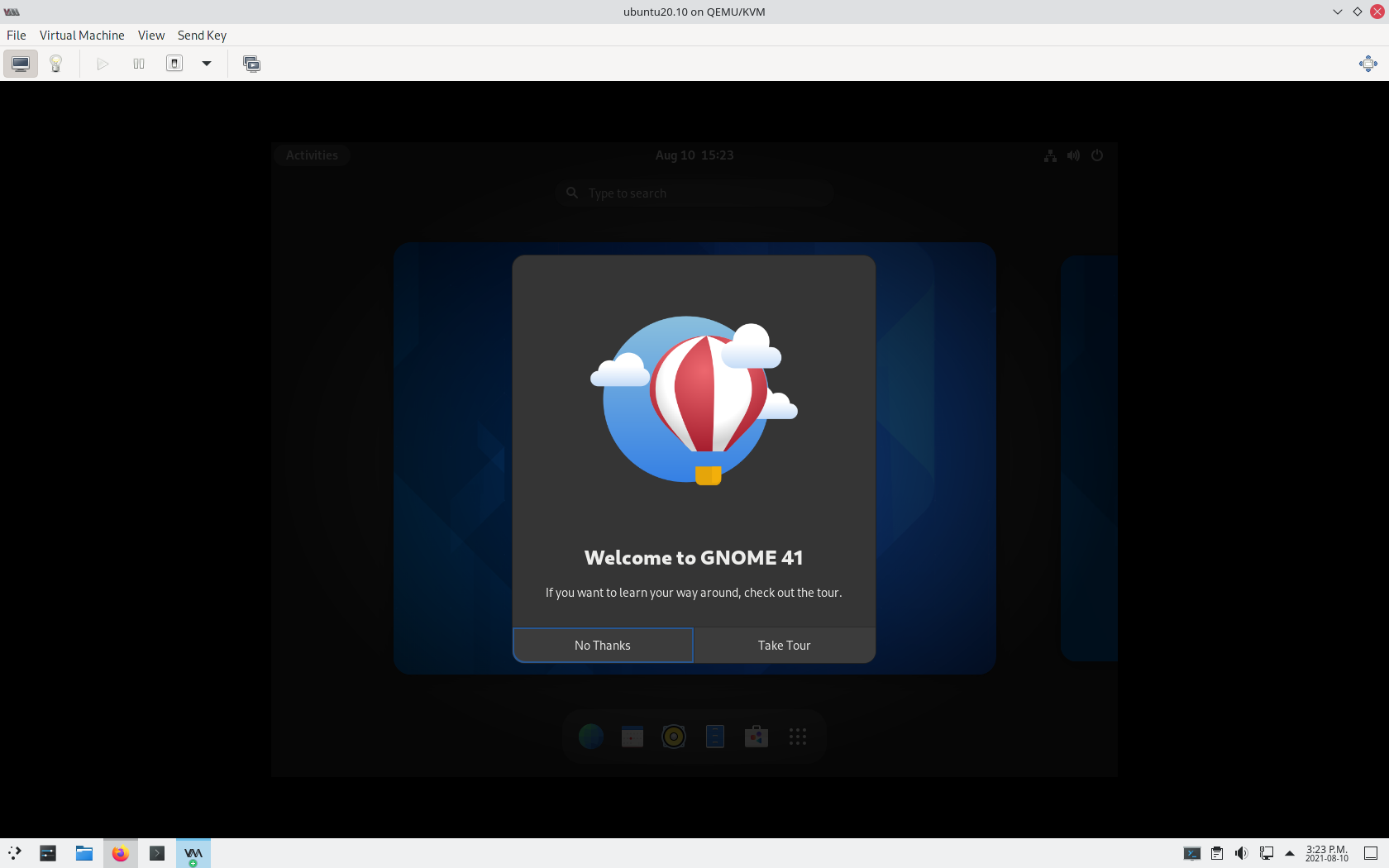
What packaging system does it use? My internet foo is weak 
Does it have one? I thought it was some kind of minimal install used for testing gnome development in a VM.
I am going into a meeting for the next few hours but I will give it a look after that.
Nah, not important, I was trying to install tweaks, just to play with it
(-deleted by the author-)
No more distrowatch. We’ll call it thedaltoproject. It’s a project actually worth paying attention to.
Interesting. So potentially slightly off-topic, but if we were to start a community-generated summary site, what information would you think would be useful or of interest? Off the top of my head, I can think of:
- Base distribution (Arch, Debian, etc.)
- Release cycle
- Init system
- Available desktop environments
- Installation process (calamares, TTY, etc.)
- Package manager
Some other stuff gets slightly ambiguous with ‘build your own’ distributions.
Except for available DEs and installation process, all those stats are already tracked by distrowatch.
Other objective metrics I would want to know are:
- Bootloader(s) used by default
- Filesystems supported by the installer
- Does the installer support encryption
- Flatpak support and if it is optional/required, pre-installed/available
- Snap support and if it is optional/required, pre-installed/available
- Appimage support
- Libre status
- Stance on commercial software in the repos
- If the distro supports dkms
- If it is musl or glibc based
- Whether or not user namespace support in the kernel are available/required/not available
- If the filesystem is immutable or not
- If it uses binary packages or if the packages must be built from source
- Is selinux supported and is it enabled by default
- Is apparmor supported and is it enabled by default
- Probably more that I can’t think of off the top of my head
As it relates to DEs, other than reporting the default/flagship DE, it gets subjective very fast. Take EOS for example, what would you list? What is available in the installer? What you could install from the repos? What you could install from AUR?
Even if you say it is limited to what is in the installer, it can still get murky. One of the arch-based distros I looked at this week had Pantheon in the installer. As we all know, Pantheon only works on Arch…sometimes
That being said, while those metrics would be somewhat interesting, the real value comes from the subjective information
- How easy is it to install/what is the process?
- How hard is it to install real-world software?
- How is long-term maintenance?
- Is there an upgrade process and how reliable is it?
- How is application stability?
- How easy is it to use?
- What additional tooling is provided by the distro?
- What does support look like and is there an active community around the distro?
- How hard is it to find and install drivers?
- How well does it support optimus/hybrid nvidia laptops
- Who are the most likely target audiences for the distro

Yes.
I have been quite pleased with Endeavor OS. It has been stable in terms of everything working as expected, yet when new packages arrive, they are also promptly available (good example: the recent security updates and new version of the Firefox Web browser); that is just one example…
- Arch
2.Fedora
3.Debian or Ubuntu
Ive come to like Arch more than any other distro. I use EOS because I’m too lazy for a plain Arch install. If I couldn’t do either I’d use Fedora because its OOTB config is great. Last resort is Debian or Ubuntu as I find them both a bit of a pain to use (even though I use Ubuntu for server stuff)
Probably Arch if i have time for configuring everything or Arch based distro, something like Archcraft for example. Because, out of box i had best time from Arch with hardware compatibility and drivers.