Vash was his love affair?! Incredible.
He had quite a few love affairs, actually; the actrice playing Vash was indeed one of them.
Opening Substack, I’m shown a math book from 1910, said to be so easy to understand, volunteers re-typed the whole book in modern LaTeX, to produce a clean pdf, and then volunteers made audio recordings while reading it out loud.
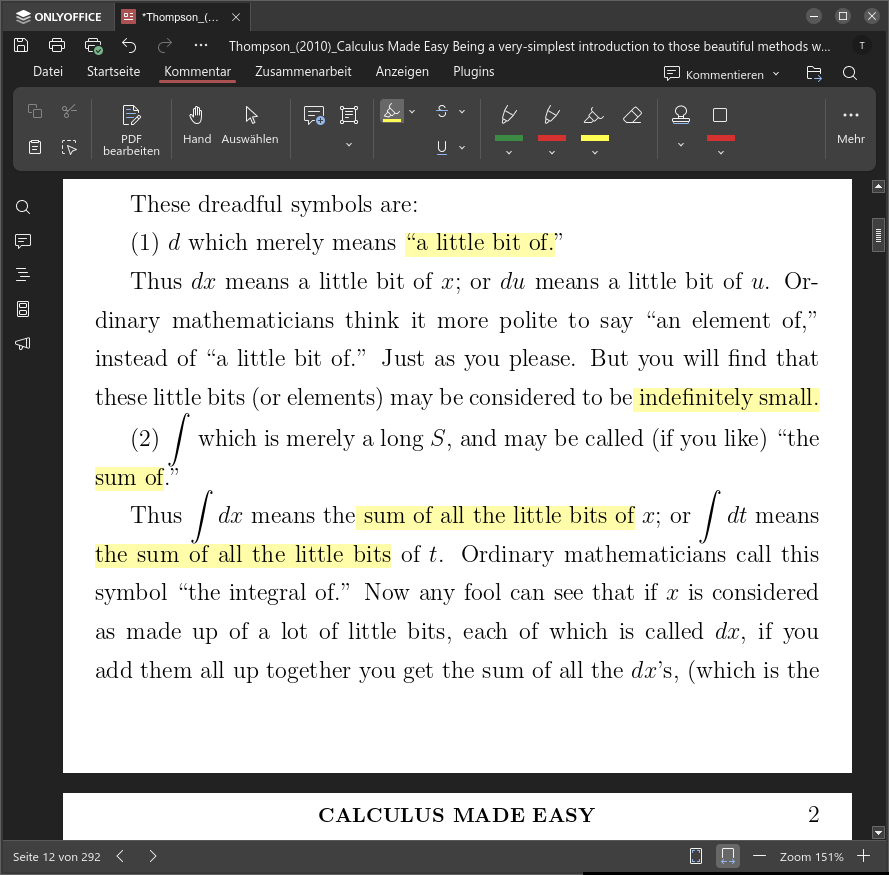
‘Calculus Made Easy: Being a Very-Simplest Introduction to Those Beautiful Methods Which Are Generally Called by the Terrifying Names of the Differential Calculus and the Integral Calculus’, Thompson
That is great!
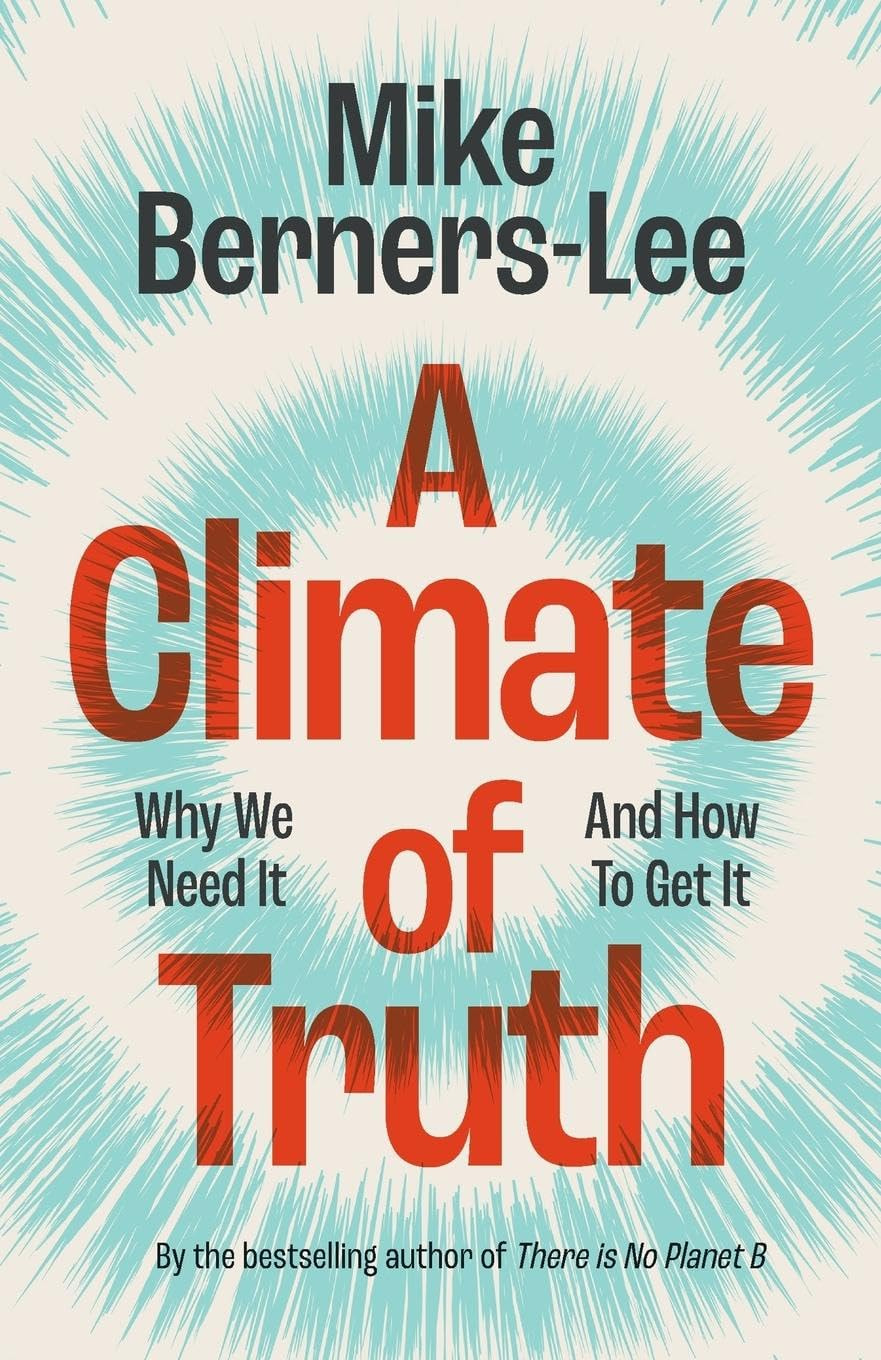
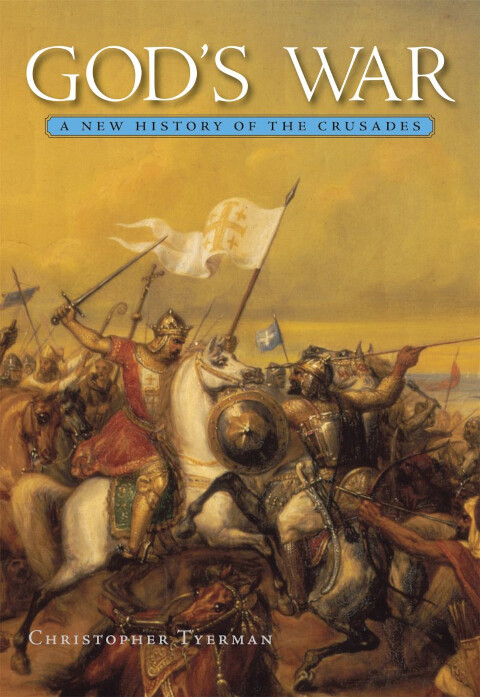
With a set of surgically refreshed eyes and new glasses, I was looking forward this book, especially since it seems a timely topic. I’d recently read a blurb suggesting it as a “definitive account of a fascinating story”, “an entertaining and reliable guide to the bizarre centuries-long episode”, and that it “uncovers a system of belief bound by aggression, paranoia, and wishful thinking, and a culture founded on war as an expression of worship, social discipline, and Christian charity.”
Sounds pretty cool, right?
I failed in due diligence. The book is 20 years old, written by a historian to show off to other historians, tips the scales at over 1,000 pages and is published by an imprint of Harvard University Press.
The author seems to have a terrible case of ADHD. It seems to have been written by disgorging random thoughts, then bulldozing them into something resembling paragraphs.
It takes one to know one. I have ADHD and that’s exactly how my first drafts (including of this post) are produced.
Only the author doesn’t take the next step: Rearranging them into a sensible and cohesive order. There seem to be no connecting thoughts between his sentences as they pile one atop another in straining, overworked paragraphs. Finding meaning requires mining several pages for bits and bobs that go together.
Two and three pages at a time, I struggled through the Preface, then the Introduction, and 98 pages of the book proper before giving up. Although I can recommend it as a sleep aid.
I gleaned enough to pique my interest, so if anyone has any recommendations on accessible books about The Crusades, please send them my way.
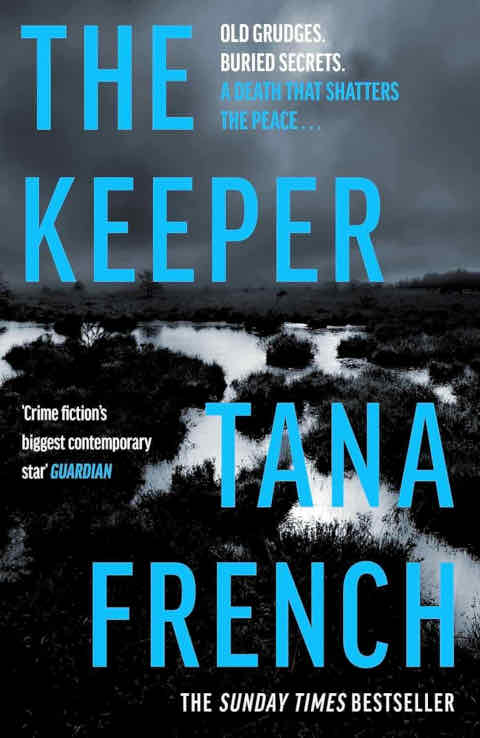
Conversely, I’ve never been able to put a Tana French down. This, the third of the Cal Hooper series, shows how she refines her craft, book after book. She writes in that wonderful style of Irish storytelling that fits the in the intersection of a Venn diagram between Lyrical and Painting With Words, creating a wonderful sense of atmosphere and place, with characters that I give a poop about.
On deck:

Because we’ve been there, done that before.
Now that I figured out, how the algorithm for learning Chinese really works, because it’s not been taught correctly by the Chinese nor foreign teachers …
I’m giving a last try

Pudge
a tale of two cities, Charles D1ckens’ classic. (maybe the admins need to review why I can’t write the surname of this author correctly)
Non-fic:
The reverse centaur’s guide to life after AI : how to think about artificial intelligence–before it’s too late by Doctorow, Cory
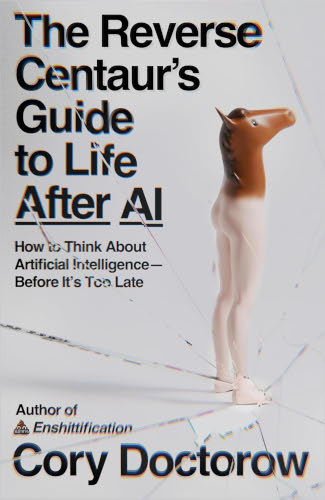
After coining the term “enshittification” to mean “reducing the usability of a product in order to increase profits to shareholders”, Doctorow coins the term “reverse centaur” to mean “humans performing tasks in the physical world for the benefit of AI, in pursuit of profits for the AI companies”.
Not the usual rants about AI–either pro or con–he goes behind the curtain to look at what drives the share prices of the AI developers and how those choices put ordinary humans in servitude to AI.
Fic:
2084 : a novel of future war by Ackerman, Elliot and Stavridis, James (Admiral USN, ret.)
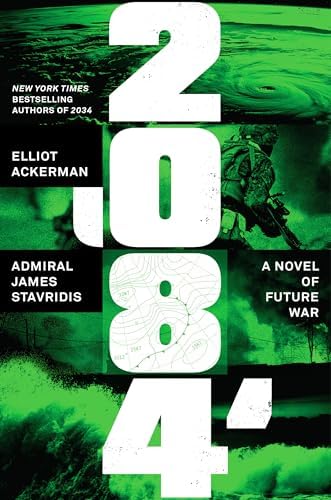
This is the third in a series. While not strictly necessary, you might think about starting with their prior novels, 2034 and 2054 so you know the characters.
2084 imagines a world where climate has forced mass migration from the equitorial bands, which is devolving into war. The US and China, “The Consortium”, have forged a fragile military alliance against “The Reparationists”, led by Brazil, Indonesia and Nigeria, who want resettlement in cooler climes.
You’ll like this series if you liked the plots and strategies in the old Tom Clancy novels (before he died and the franchise was taken over by literal ghost writers). Think Clancy geopolitics, only without the Clancyesque geeking-out over technical details of every single piece of hardware. Page count is nicely reduced too (compared to Clancy) because of the absence of PhD-level technical detail.
EDITS: dyslexia
Neal Stephenson: Seveneves
Goetz Buchholz: Ratgeber Freie (2002 edition; still a must-read for German freelancers)
… shows that Elliot and Stavridis have no knowledge or understanding of Communist China politics and diplomacy.
Thanks for this. I enjoyed 2034, didn’t realise there’s two more!
I have today finished the third book in the series, and I am eager to start the fourth one. While the story was a little garbled and complex, I liked the mysteries around the vanishing planet, and the complex interactions of the religion and the planets.
I am pretty sure I will finish the fourth book too before switching to something more light-hearted.
Recent readings have been Dungeon Crawler Carl and Fourth Wing, both of which I enjoyed AND both of which are slated to be made into tv series (didn’t know when I started them).
Oh god that is a beauty of a book. Rat King and Whirlwind are another excellent examples. They dont write books like this anymore.

I couldn’t finish the fourth book of the Relevation Space series from Alastair Reynolds. I was half way through, but found myself drifting off in my head, thinking of other things while reading, sometimes my eyes closed. A sign that I do no enjoy the book. Too bad.
So I started this:
The book is hilarious. The amount of giggling and laughing out loud reminds me of the first time I read The Hitchhikers Guide To The Galaxy. For setting, think of an episode of The Orville, with the jokes hitting, the characters relatable and funny, and the story clever and interesting.
I bought it because it was a science fiction book. I laugh because I am amused. Maybe this proves that it doesn’t need to be SciFi space opera for me.
Edit 1: The book is short, much shorter than I thought. Less pages, and the font is large. Already 1/3 though after reading for maybe 2 hours.
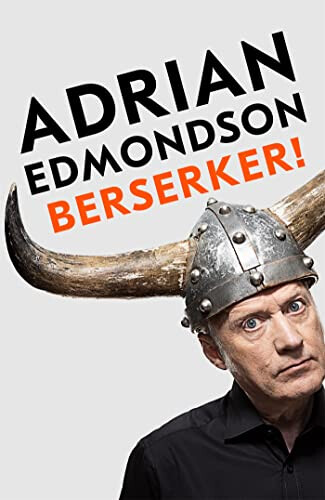
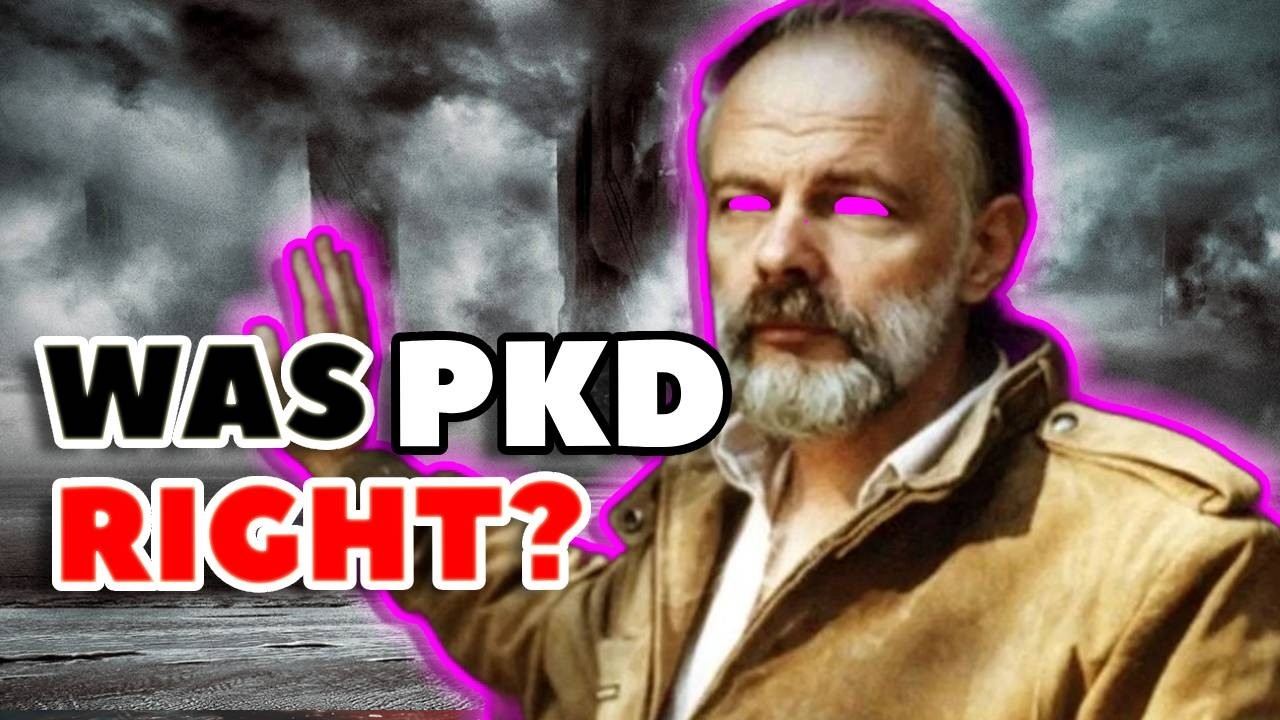
I’ve read a couple of books over the last several months by Philip K.  . The same man behind such film adaptations as Blade Runner, Blade Runner 2049, Minority Report, Total Recall, A Scanner Darkly.
A BRILLIANT science fiction author.
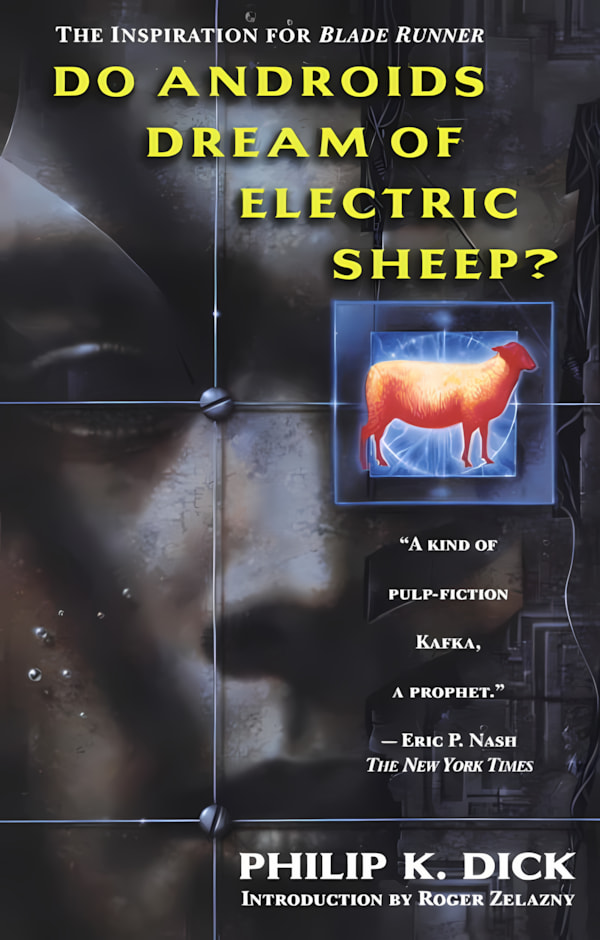
The last Philip K. novel I read was “Do Androids Dream of Electric Sheep?” (1968). Finished it last week.
I ran across this in my YouTube feed. Well worth the watch if you have any such interest in reality, science fiction, and alternate reality, or the author in general…
EDIT:
- Unfortunately, the insane filter with Discourse wouldn’t allow me to actually spell the author’s last name.
