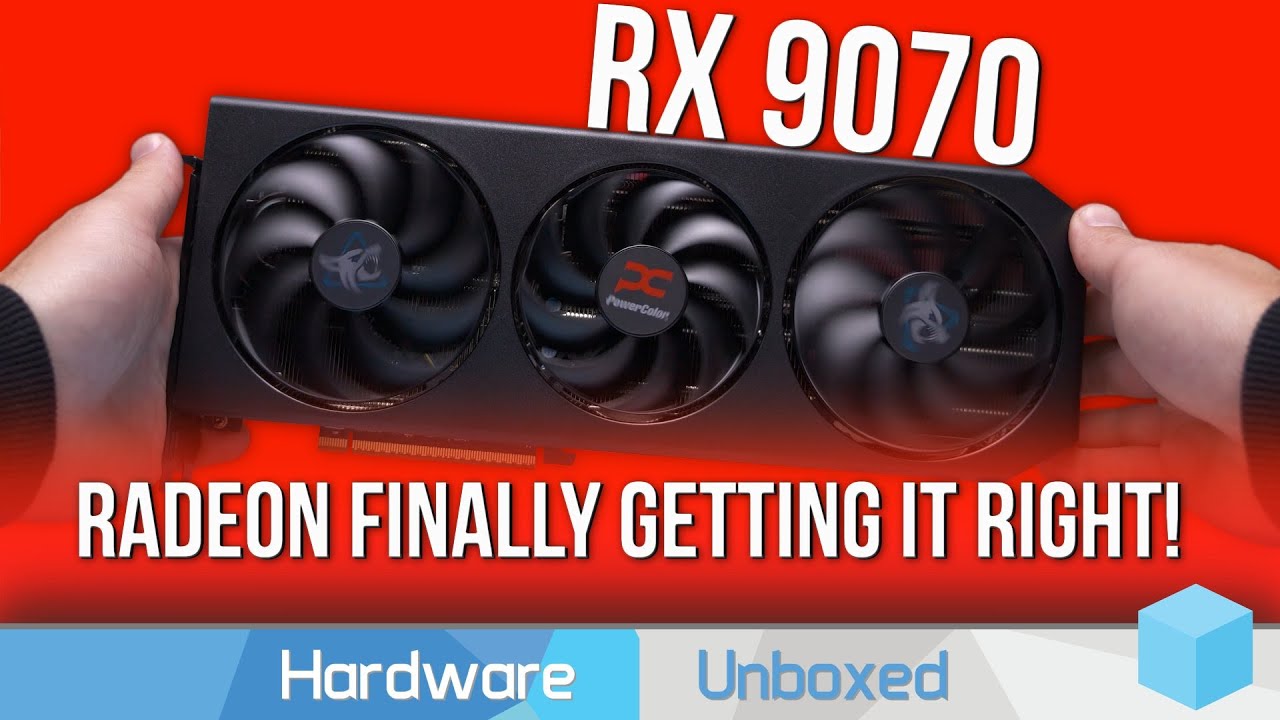
Well I figured that given the impending memory apocalypse, I might as well go for a GPU upgrade while prices were relatively sane and close to MSRP, so I picked up a 9070XT. Arriving tomorrow, so I’ll no doubt update this thread. The 6700XT is a stellar card, and works great on 1080p and 1440p, but I’m looking for a GPU that’ll hold its own for the next five to seven years. Looking at the specs, the 9070 and XT versions are stellar for Linux gaming.
Pulled the trigger on a 9060 XT for similar reasons yesterday (A750 for the last three years). From what I’ve seen the 9000er series is pretty popular on Linux. I believe we should have “mostly” smooth sailing.
Looks like it, - the 9070 baseline model looks like it’s absolutely hammering the 6000 and 7000 series. I’ll still keep the 6700XT as a backup, it’s a decent card, and capable for any 1080p and 1440p workloads.
I probably would have pulled the trigger on a 9070 XT over the holidays since there were several at MSRP if I was still on my 6700 XT. I had already switched to a 7900 XTX that I got at a discount a couple of years ago though. Not near enough of an uplift for me. Significantly faster in RT but slower in raster. I will probably wait a generation.
A good friend has this card and it’s still absolutely insane for what it can do. Raster performance coupled with the 7800X3D and higher X3Ds is superb. Looking forward to seeing just how smooth it can run 2077, which has been the only game which genuinely grinds with the 6700XT.
Doesn’t make much (financial) sense to upgrade from a 7900 XTX. Still a few goodies like bigger VRAM and you know that it will receive good support in the coming years with the Valve releasing the Steam Machine on the same architecture.
I switched from a 7900 XTX Sapphire Pulse to a 9070 XT Sapphire Pulse and it was worth it for me.
While it is a bit slower (especially in 4k) and has less VRAM it is better in other aspects, mainly:
Better video decoding / encoding performance / quality
Lower power draw and higher efficiency (I can run it undervolted at -90 mV or reducing the power limit by 20% without losing any real world performance)
Much better behaviour raising the clocks when under low / medium load (I don’t have to do any power profile mode switching anymore and can just leave everything on auto)
Way lower temperatures under load and idle and much quieter even when running the fans at pretty at high RPM (but that can be attributed to the model of the card having a better cooling system and not because of a different GPU).
Most major performance bottlenecks / missing features are pretty much solved with up to date versions of Mesa and performance will most likely only keep inceasing from here on out.
Ray tracing performance is still not up to par with Windows no matter the GPU for AMD. But that will also keep improving and the 90 series has inherently better ray tracing performance than previous generations of AMD GPUs already.
You also get better (official) support for things like FSR4 and any future updates to that. And FSR4 is so much better (in regards to image quality and stability) than older versions it’s not even a competition.
For me it is just the better GPU overall.
If you want a more future proof card, the 90 series is the way to go.
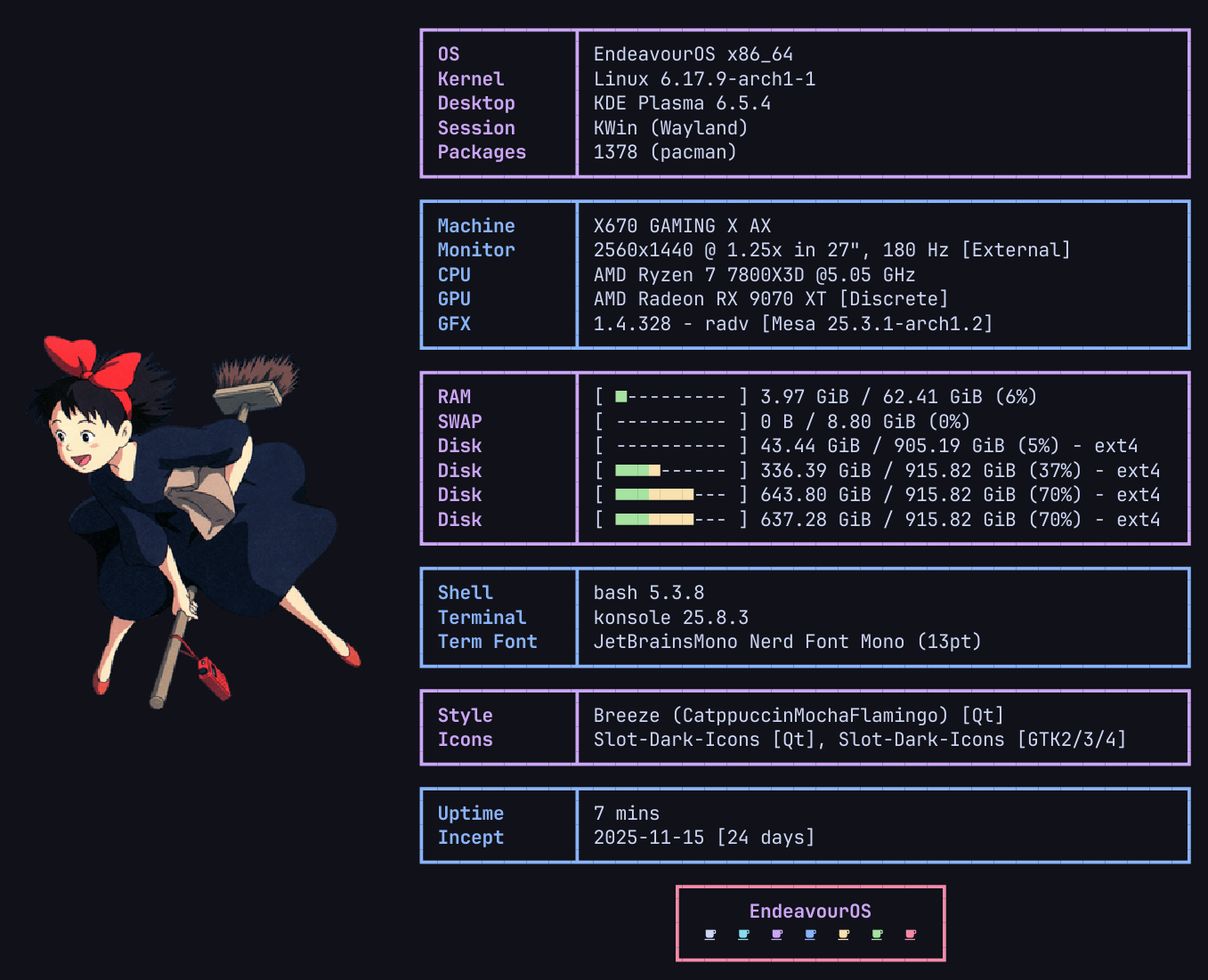
Well it’s in the rig, and holy heck, this card is incredible. Barely hits 50c under load (admittedly ambient is about 17c currently). The fans.. well.. they’re silent, literally can’t hear them inside the Fractal Define R7 case, which to be fair already has excellent noise dampening.
Performance in games is stellar. Everything running at 1440p on Ultra (NMS, CP2077 etc) without even a hitch. By far the thing I love is that it was literally a swap and I’m good to go.. Font and display rendering is excellent, no aberration, no blurring.
MIND. BLOWN. Absolutely the card I’ll be holding onto for the next five to seven years I think. Really glad I picked this one up!
Great! I also ordered a RX 9070 XT today, and I’m looking forward to it. Actually, I’m using a RX 7800 XT and Ray Tracing couldn’t be enabled with high frames.
Having had a bit of time to dig into it, you’re in for an absolute treat, in and out of games. Display performance on an AOC 1440p Mini LED display is superb.
That’s interesting, - the Sapphire Pulse I picked up was built like a tank, and it had four outputs, two HDMI and 2 x DP.
The fact it hovers around 39c for me as a baseline, and barely gets over 56c is insane. Zero fan mode is indeed absolutely incredible. The 6700XT blew hard in comparison. Good times!
Seems like AMD(?) decided to cut the ports down to 3 on the 9060. Not the end of the world, but four port seemed standard for a long time now, and I used it sometimes for a capture card.
The Intel card you can grab blindly however you want, this card (Gigabyte) you have to pay attentions, otherwise the fingers can accidentally grab part of the fin-stack, even parts on the board etc. It’s fine, it’s not falling apart, it just lacks the “enclosed brick” feeling (which probably Nvidia’s cards also provide).
Yep, the zero fan mode seems solid. My last AMD card was a 5000er series Sapphire, and while even having a dedicated “silent mode” switch on the board it couldn’t deliver.
This post is right up my alley; sooner or later I’d like to get at least a 16GB 9060 XT.
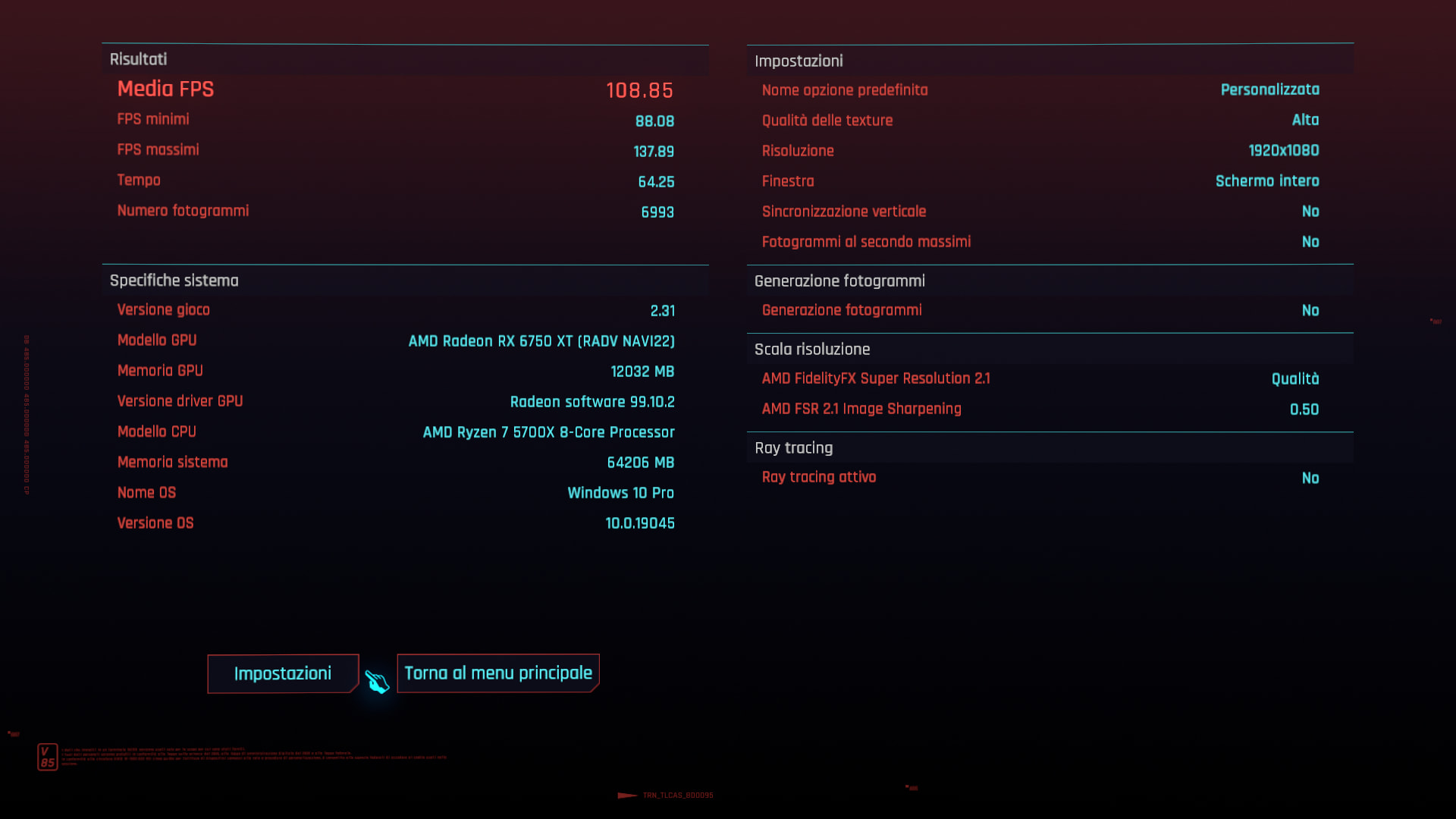
Both because I play, but for now my 12GB 6750 XT is enough, and because I enjoy using some lm models locally with lmstudio, and having a more up-to-date graphics card with more VRAM is definitely better.
Although I don’t play above 1080p right now, and I don’t think I’ll go beyond that anytime soon, especially since my current monitor’s maximum resolution is 1920x1080. But for local AI, I’d say it’s convenient.
Anyway, I can’t enable ray tracing with my 6750 XT, or it slows down too much. However, I have to say that it runs reasonably well at high details at 1080p.
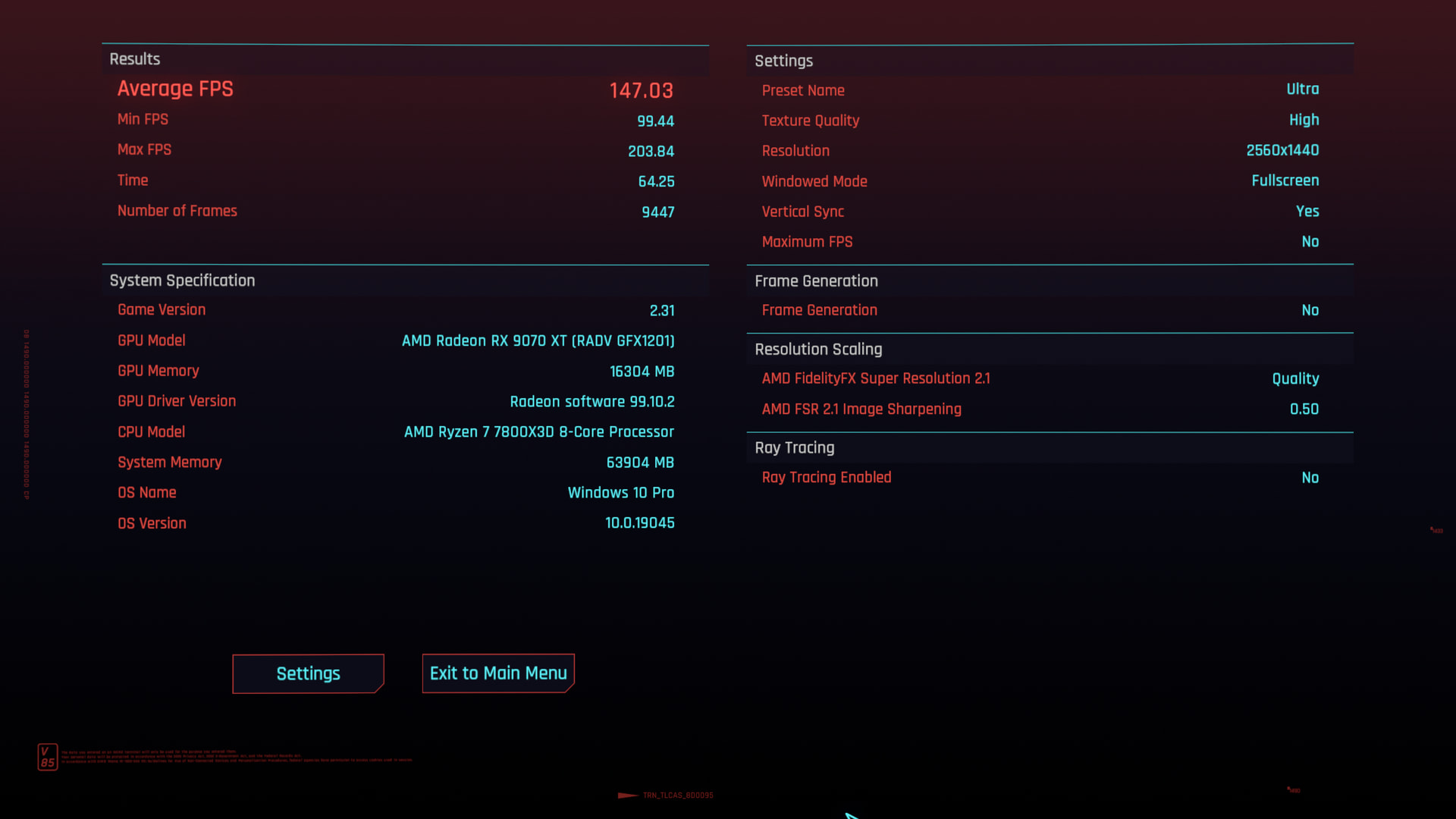
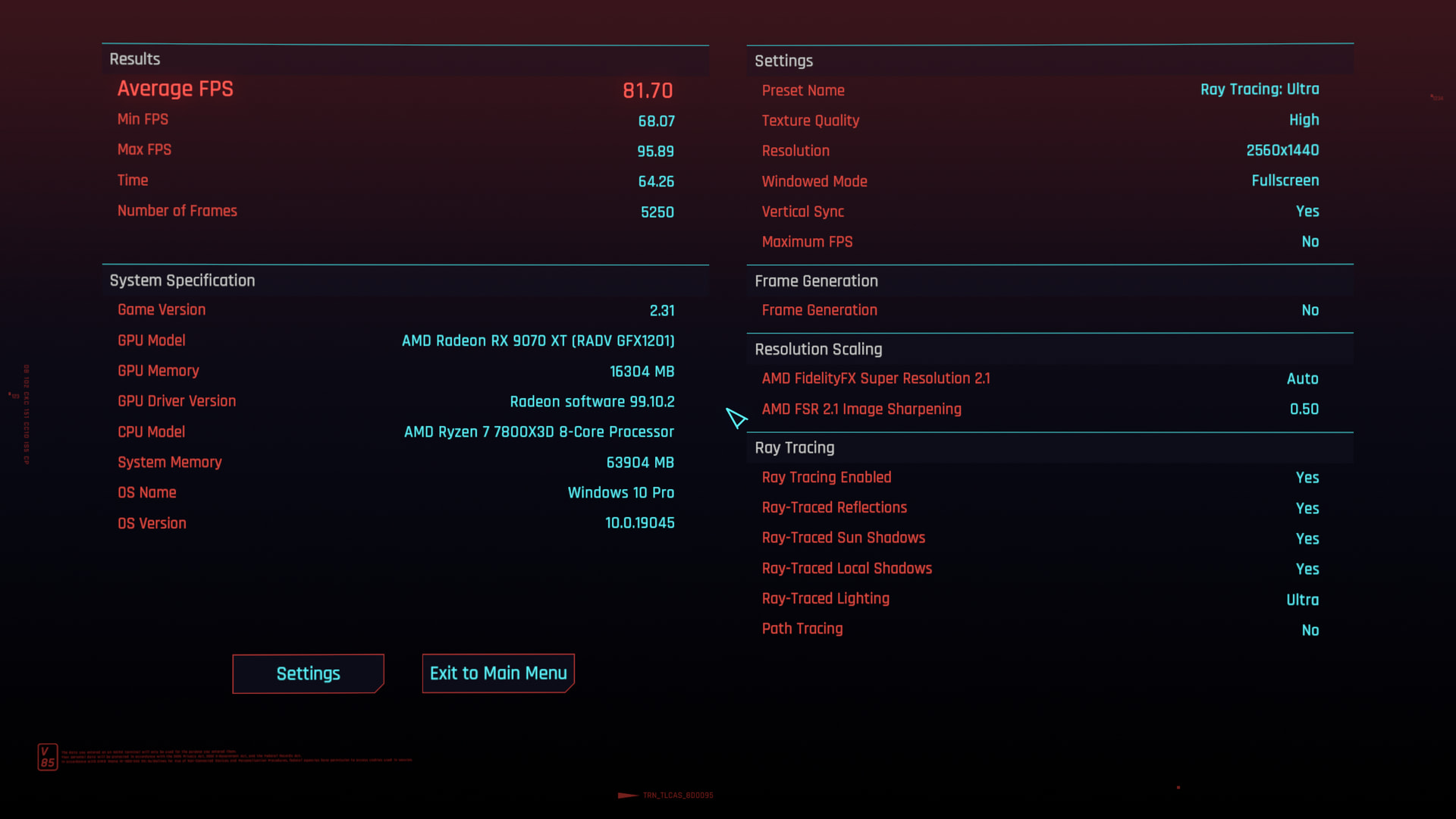

 First impressions: