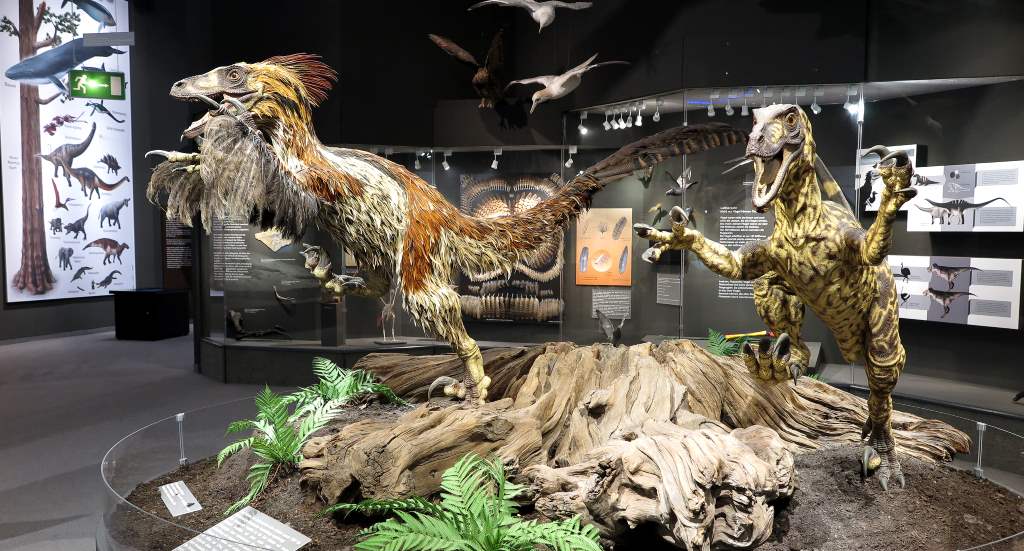
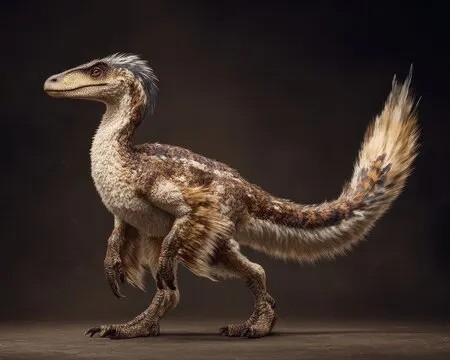
I still have the childrens book, bought in Singapore in 1990, or so-in English, and I didn’t speak English then-in which they already draw feathers on raptors. Then, Jurassic Park came out and the idea was out of my mind. Museums and artists haven’t forgotten.
For Germans: Earliest fossils with feathers on raptor-like dinosaurs were found nowhereelse than near Nuremberg in the 19 century.
I couldn’t tell you why this goofy looking dino was always my favorite since childhood. They look dumb as he**. And useless for any practical task except breaking trees off with their tail.
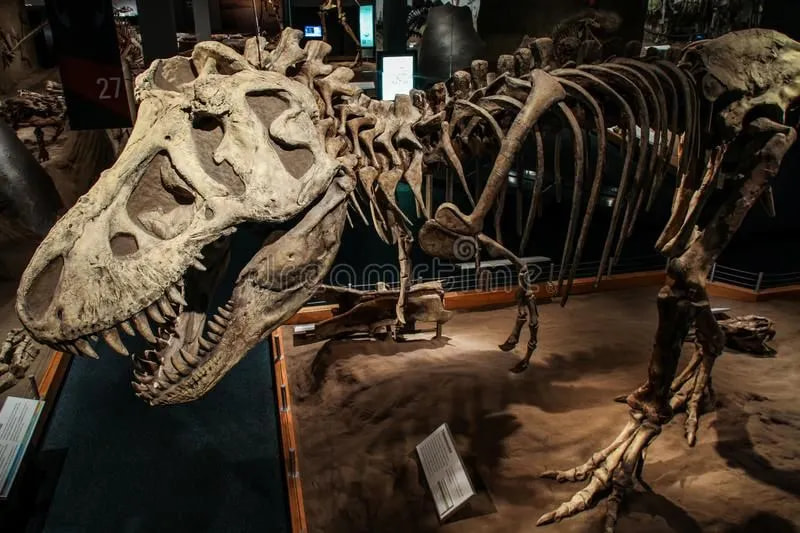
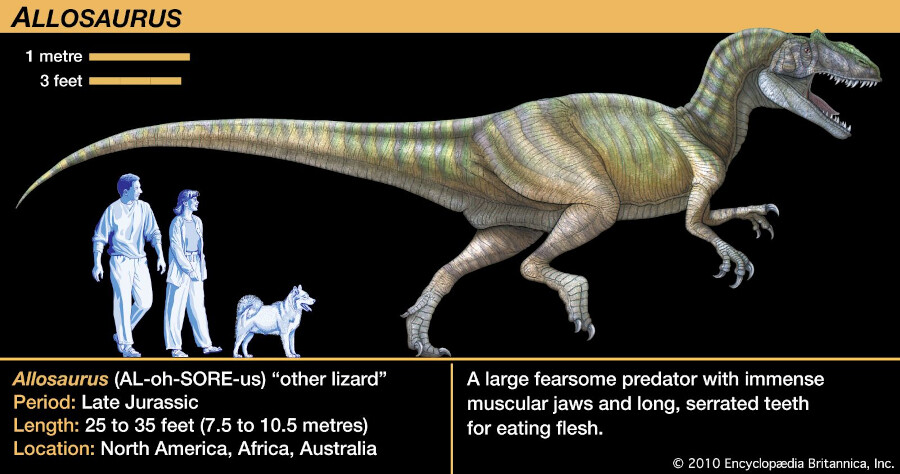
No idea why, just think they are cool. Probably because it’s assumed that they may have been smart and hunt in groups like wolves or so… No idea how they know from the bones but the idea is cool. Plus they look like mini T-Rex but with arms which is a plus point
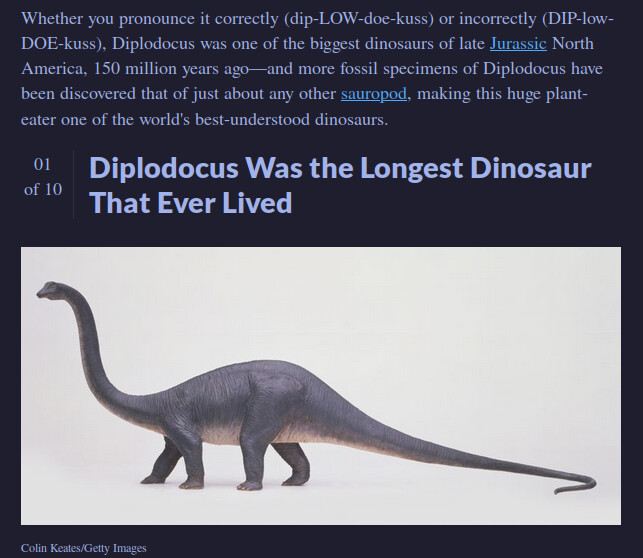
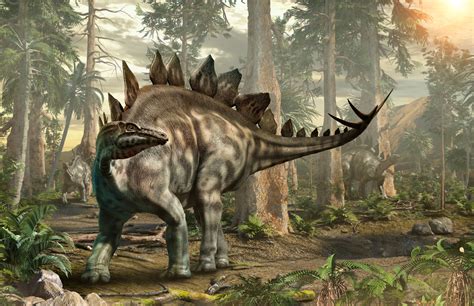
I think I must have been maybe 8 or 9 when I borrowed a book on dinosaurs from the public library (yes kids that’s what we did back then). I remember a Diplodocus or Brontosaurus on the front cover so yep I’d have to say they are my favourite.
They seem really chilled out, vegetarians, just ambling along chewing on the greenery. If they’d had ipods back then I’d bet they would be listening to reggae or maybe a bit of Burt Bacharach.
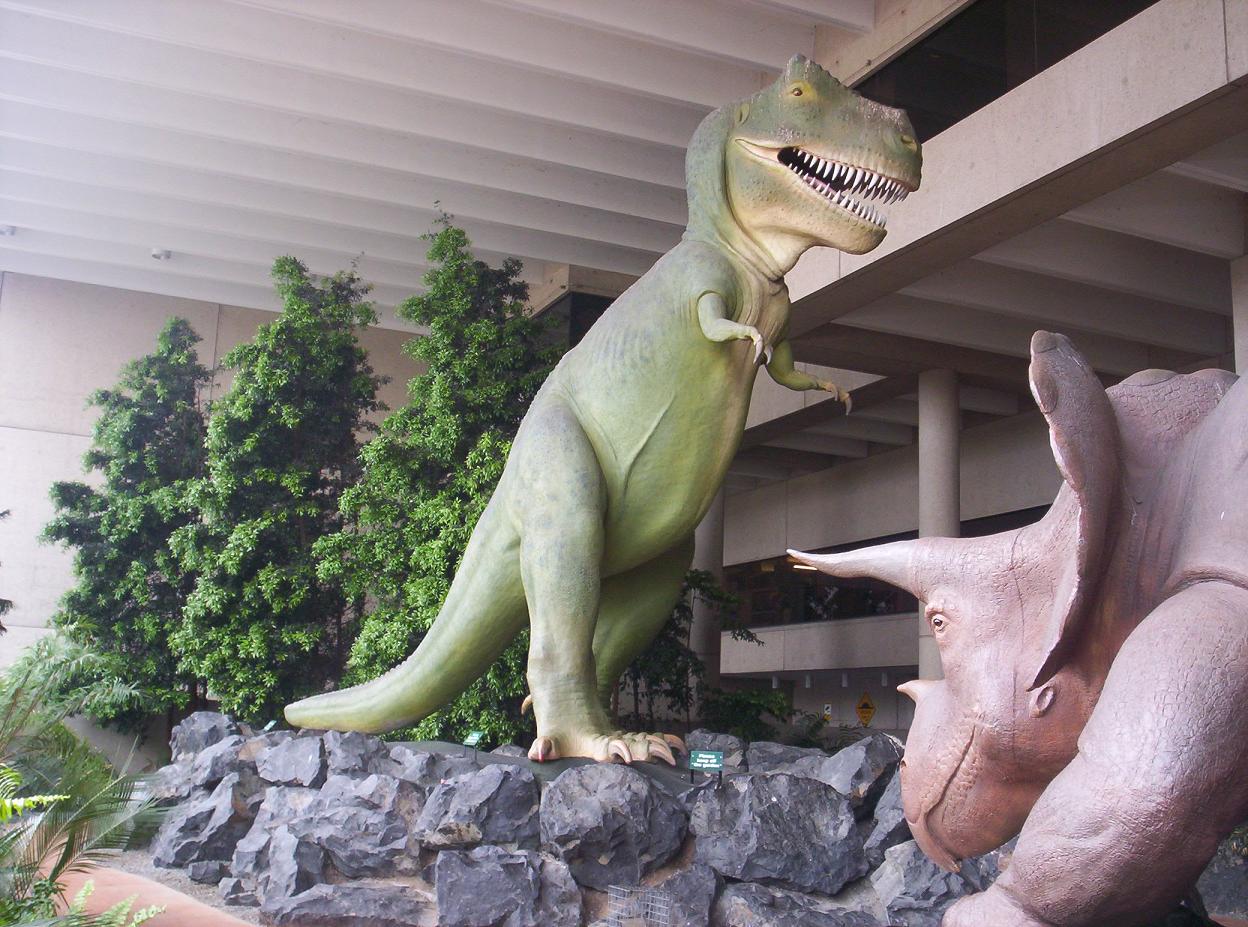
I can’t decide between T-Rex or Triceratops, I remember when I was a kid we went for a holiday to the city and seeing the life sized statues at the museum. (I think they still have them there but not sure, last time I went there it was to look at the whales)
The Shoebill Stork is a large long-legged wading bird. Its name comes from its enormous, shoe-shaped bill. It lives in tropical East Africa in large swamps from South Sudan to Zambia.
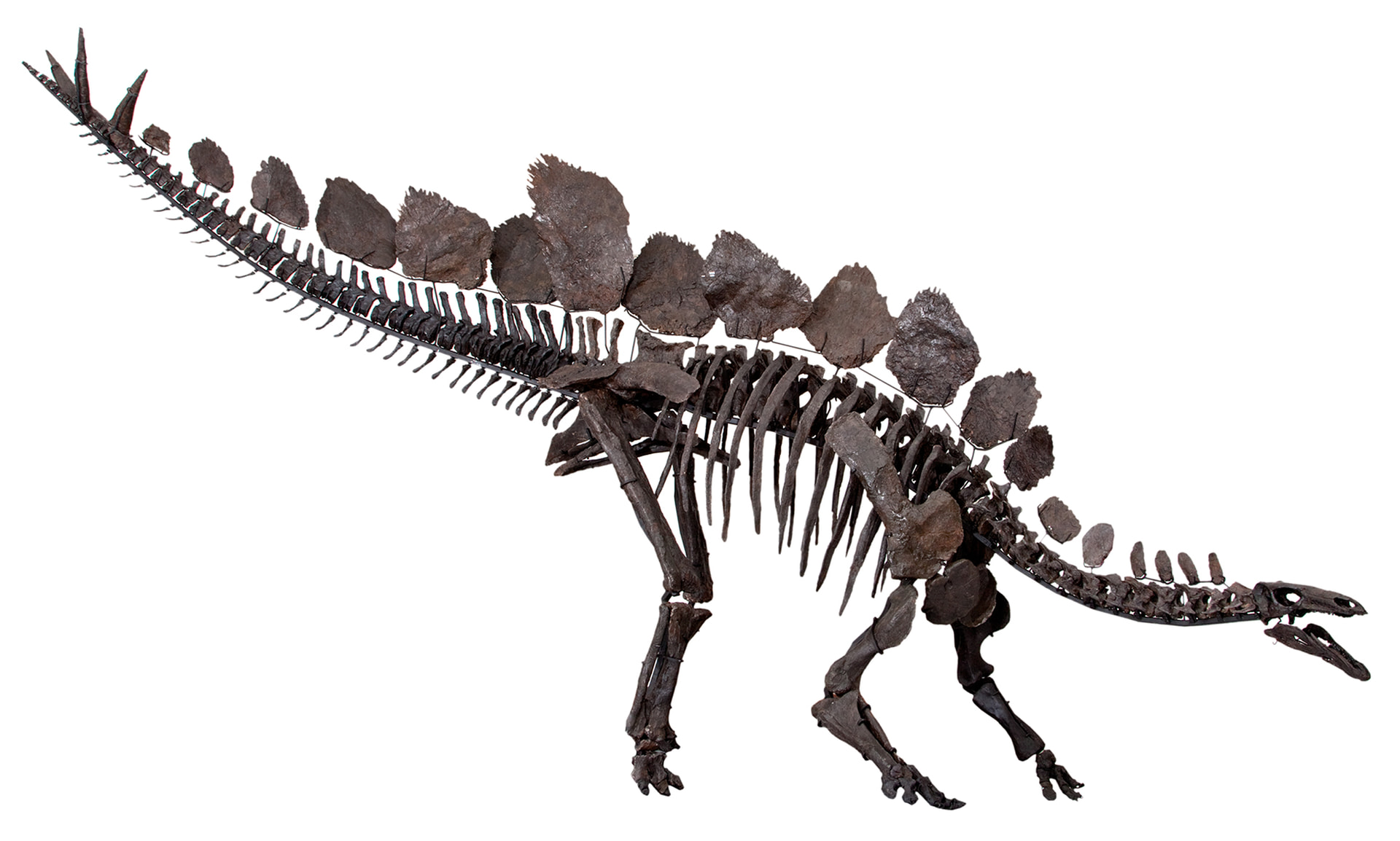
The Bauhaus architects drew inspiration from dinosaurs skeletons, skyscraper walls of the first floor hang from the 2nd floor steel frame, the 2nd floor hangs from the 3rd etc. It’s similar to skin, organs, and muscles hanging from a dinosaur’s backbone. What dinosaurs skeletons did was, to answer, whether skeletons can hold mass, or not. During that time, the Eiffel tower was the largest structure, suggesting steel frames can achieve what conventional bricks cannot. But would it collapse with walls?


 If they’d had ipods back then I’d bet they would be listening to reggae or maybe a bit of Burt Bacharach.